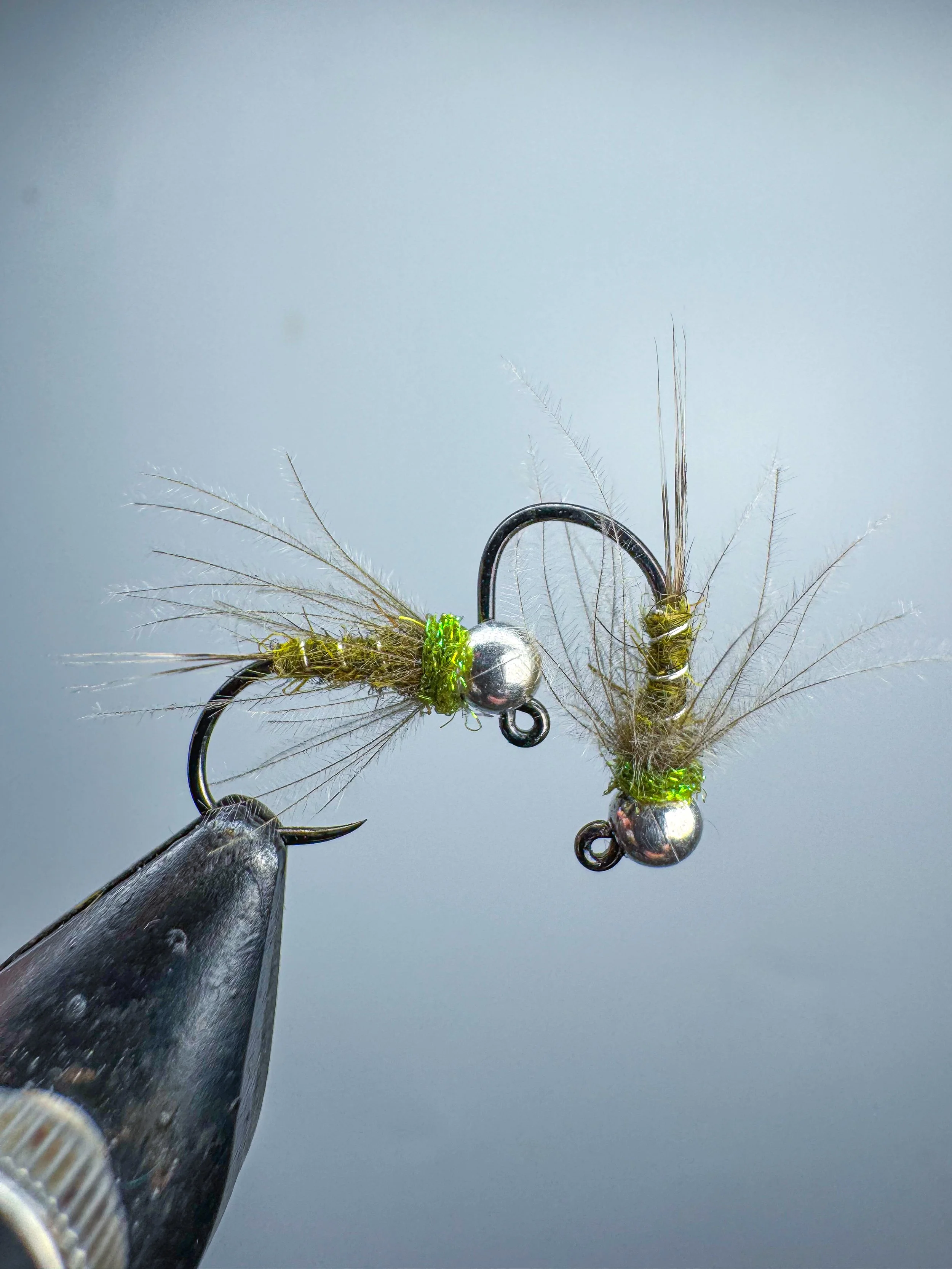
CDC Olive Jig
Why it works
The CDC Olive combines a natural olive profile with the subtle movement and translucency of CDC fibres. Fished on a jig hook, it offers a slim, buggy profile that sinks well and rides hook point up, helping reduce snags when fishing close to the bottom.
What it imitates
A versatile pattern that suggests small mayfly nymphs, olive-coloured aquatic insects and other small invertebrates drifting in the current. It’s not tied to one specific hatch, making it a great all-round searching pattern.
When to fish it
A great option year-round on New Zealand rivers, particularly when trout are feeding subsurface. Fish it through riffles, runs and pocket water, or along the edges of deeper pools. It works well as a point fly in a euro nymphing rig, especially when you need a natural-looking pattern to get down into the feeding zone.
Sometimes a simple, buggy profile is all you need.
CDC Olive Jig
Materials
Hook: Firehole Sticks 551, size 16
Bead: 3.0 mm silver tungsten
Thread: White Nano Silk 50D
Tail: Coq de León fibres
Rib: Small silver wire
Body dubbing: Kindale Hare's Ear + Squirrel Dubbing, Fluorescent Medium Olive
CDC collar: Light Dun CDC
Thorax: Hends Spectra Dubbing 32
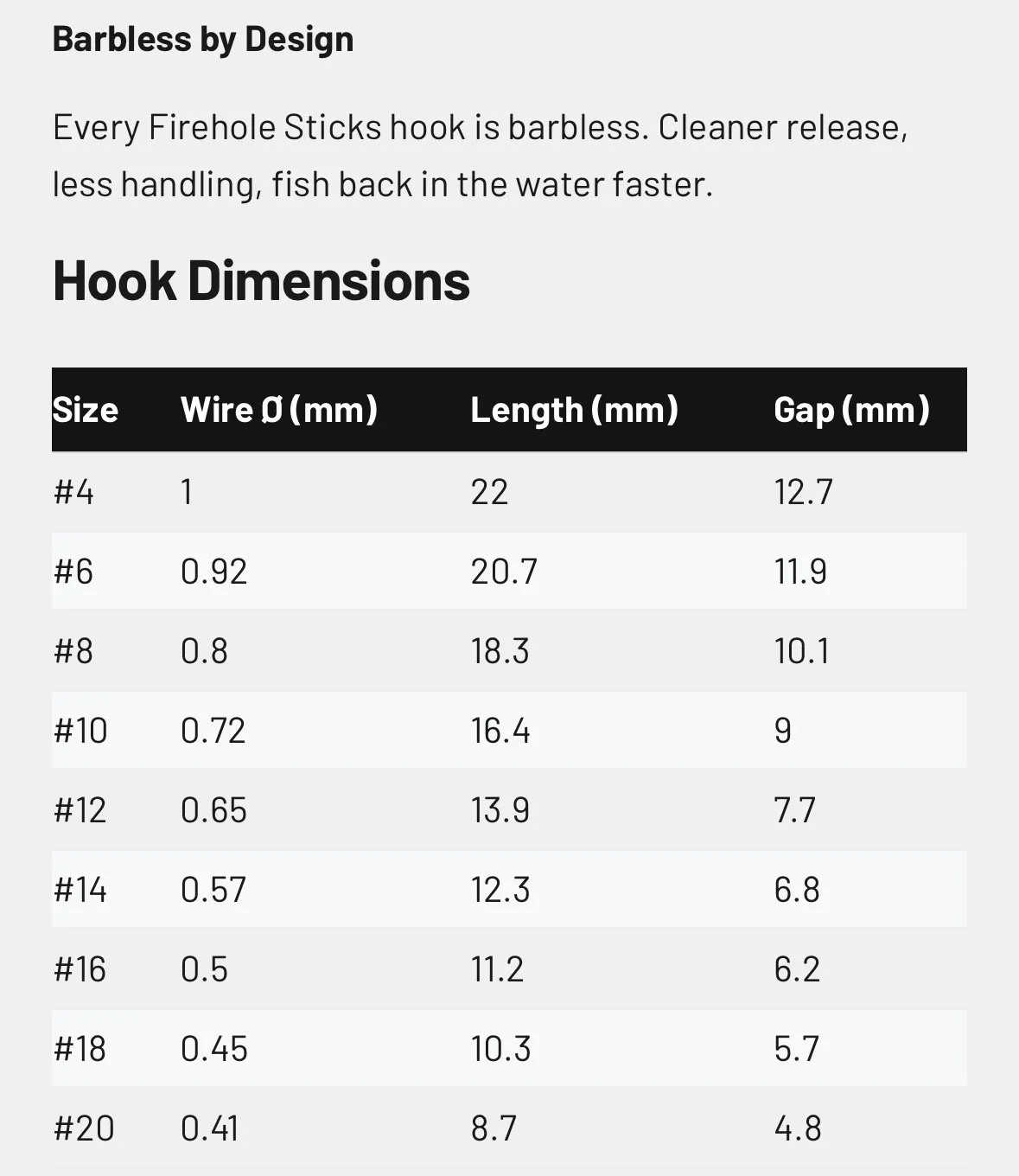
1. Jig-style eye
The angled eye helps position the hook differently from a conventional straight-eye nymph hook. With a tungsten bead, the fly is designed to fish with the hook point tending upwards, which can help reduce snags on the riverbed.
2. Hook gape and point
The gape, or gap between the point and shank, influences how well the hook can penetrate and hold. A clean, sharp point and an unobstructed gape are particularly important when tying a CDC collar and a fuller dubbing thorax.
3. Hook wire and strength
Wire diameter affects penetration, strength and the overall weight of the fly. The exact wire classification of the 551 should be checked against Firehole's specifications rather than assumed from its model number.
4. Size 16 application
Size 16 gives you a compact pattern suited to imitating small aquatic insects. Paired with your 3 mm silver tungsten bead, it creates a weighted nymph for getting down through faster seams and into pocket water.
How it suits your CDC Olive Jig
Bead: The 3 mm tungsten bead adds weight to help the fly reach feeding depth.
Body: Your Medium Olive Hare's Ear and Squirrel dubbing gives the fly a textured, buggy profile.
CDC collar: Light Dun CDC adds movement and a subtle natural appearance without requiring a bulky hackle.
Fishing style: A good design to consider for tight-line euro nymphing through riffles, runs and pocket water.
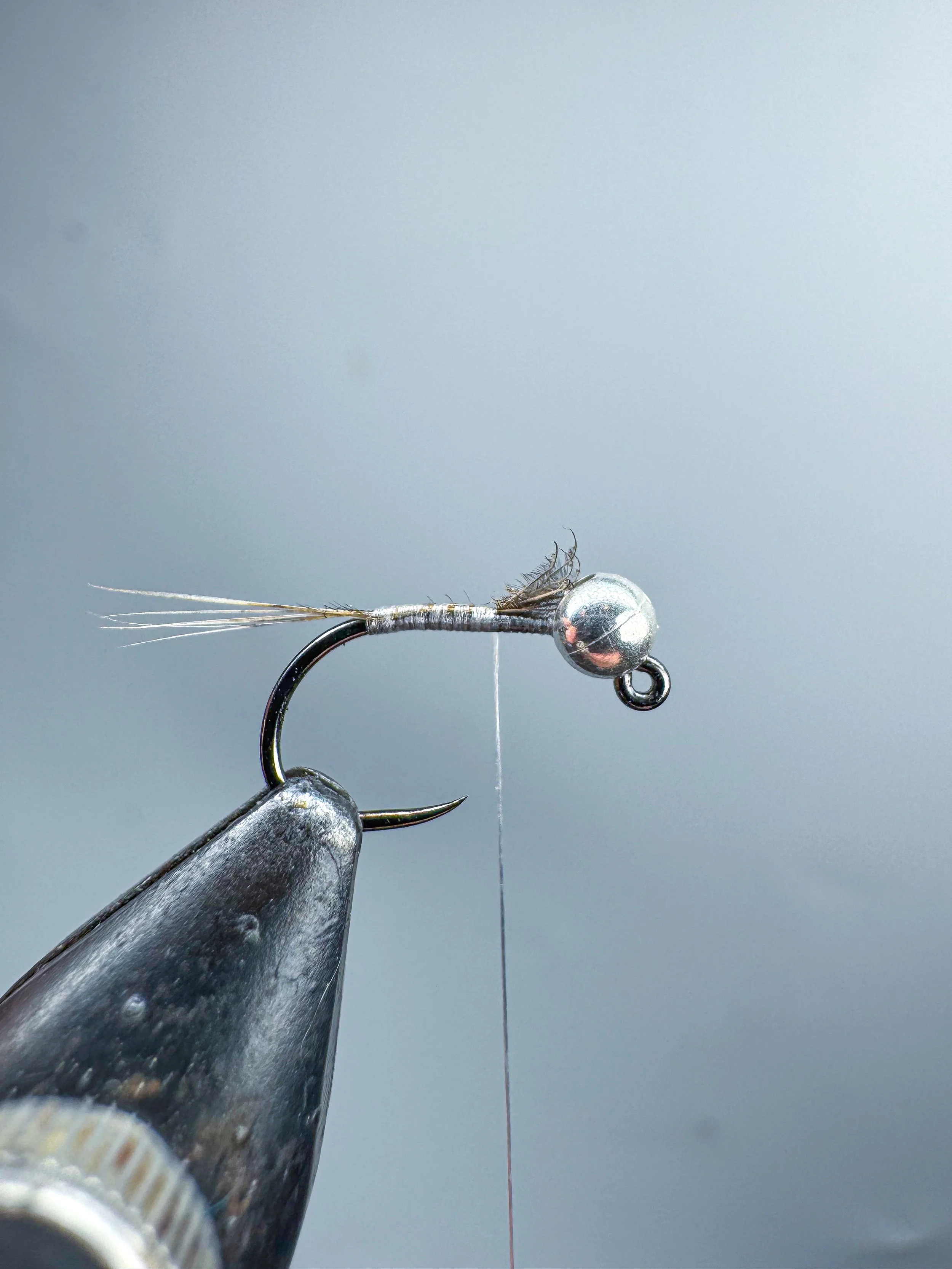
Set the bead: Slide the 3 mm silver tungsten bead onto the hook and secure the hook in the vice.
Start the thread: Lay down a base of white Nano Silk 50D from behind the bead towards the bend.
Tie in the tail: Add a small bunch of Coq de León fibres, keeping the tail sparse and roughly one hook shank in length.
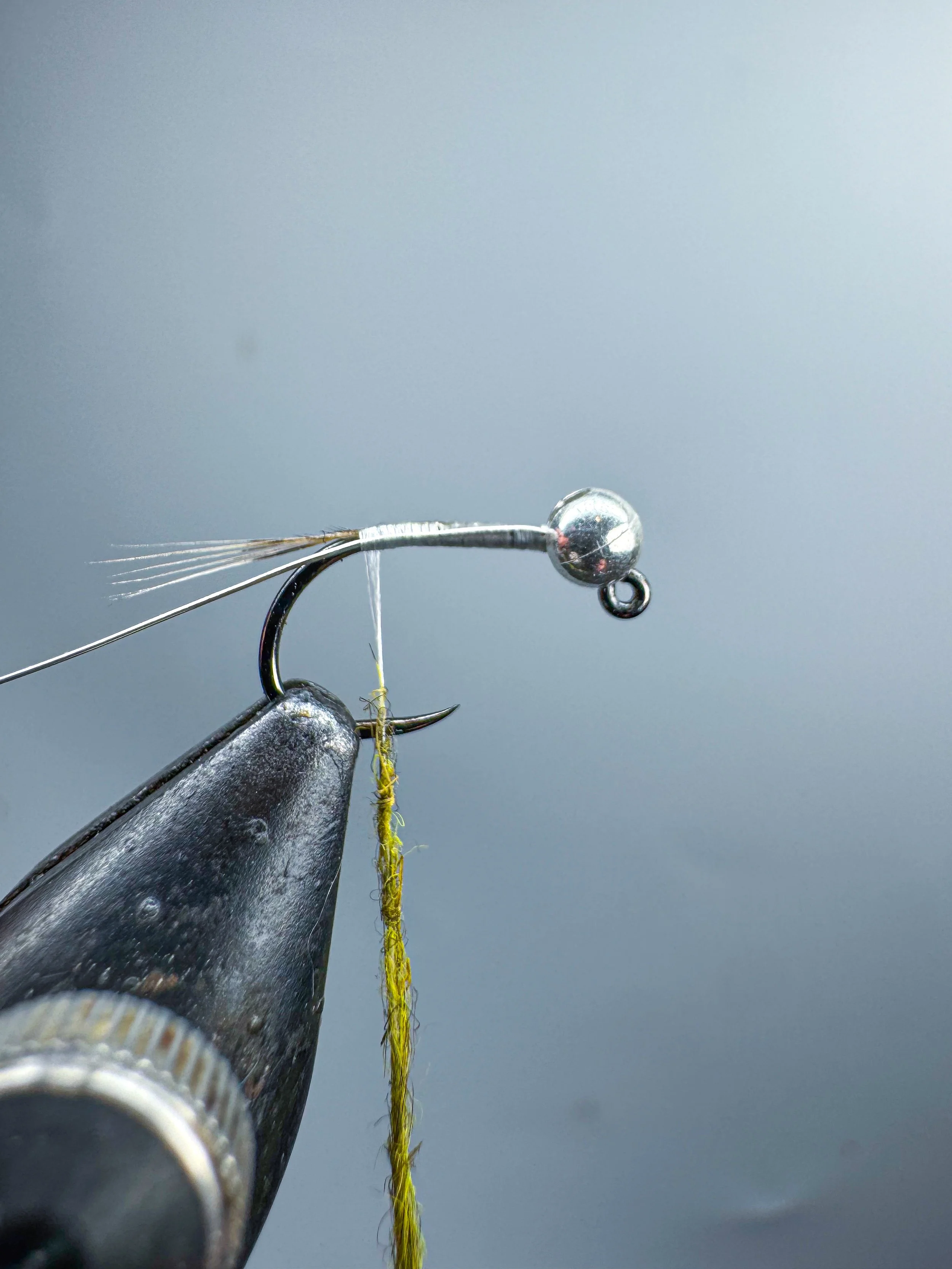
Add the rib: Tie in the small silver wire along the near side of the hook shank, extending it back towards the bend.
Form the body: Dub the Fluorescent Medium Olive Kindale Hare's Ear + Squirrel Dubbing onto the thread and build a slim, tapered body.
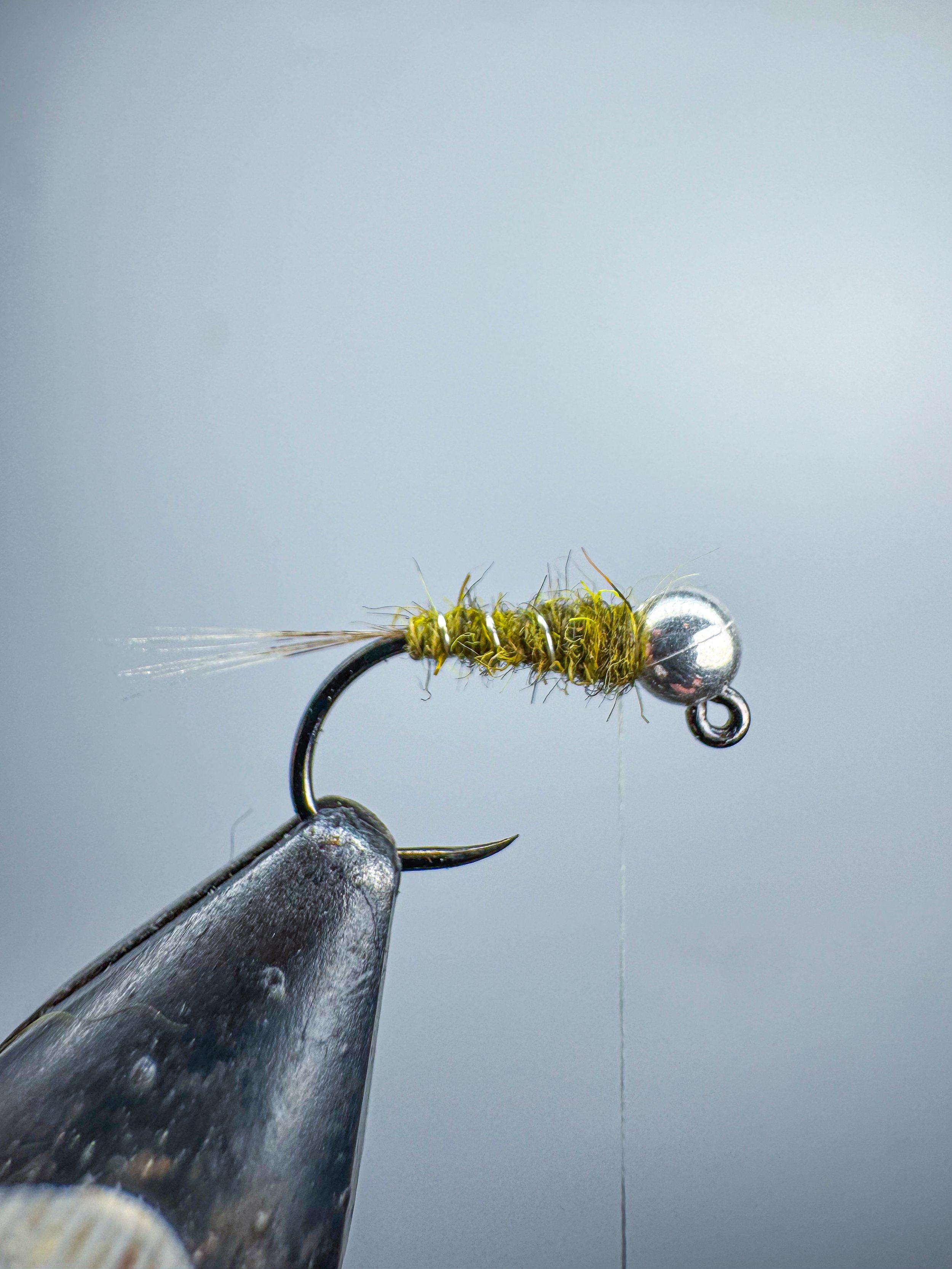
Rib the body: Wind the silver wire forward in evenly spaced turns, secure it behind the bead and remove the excess.
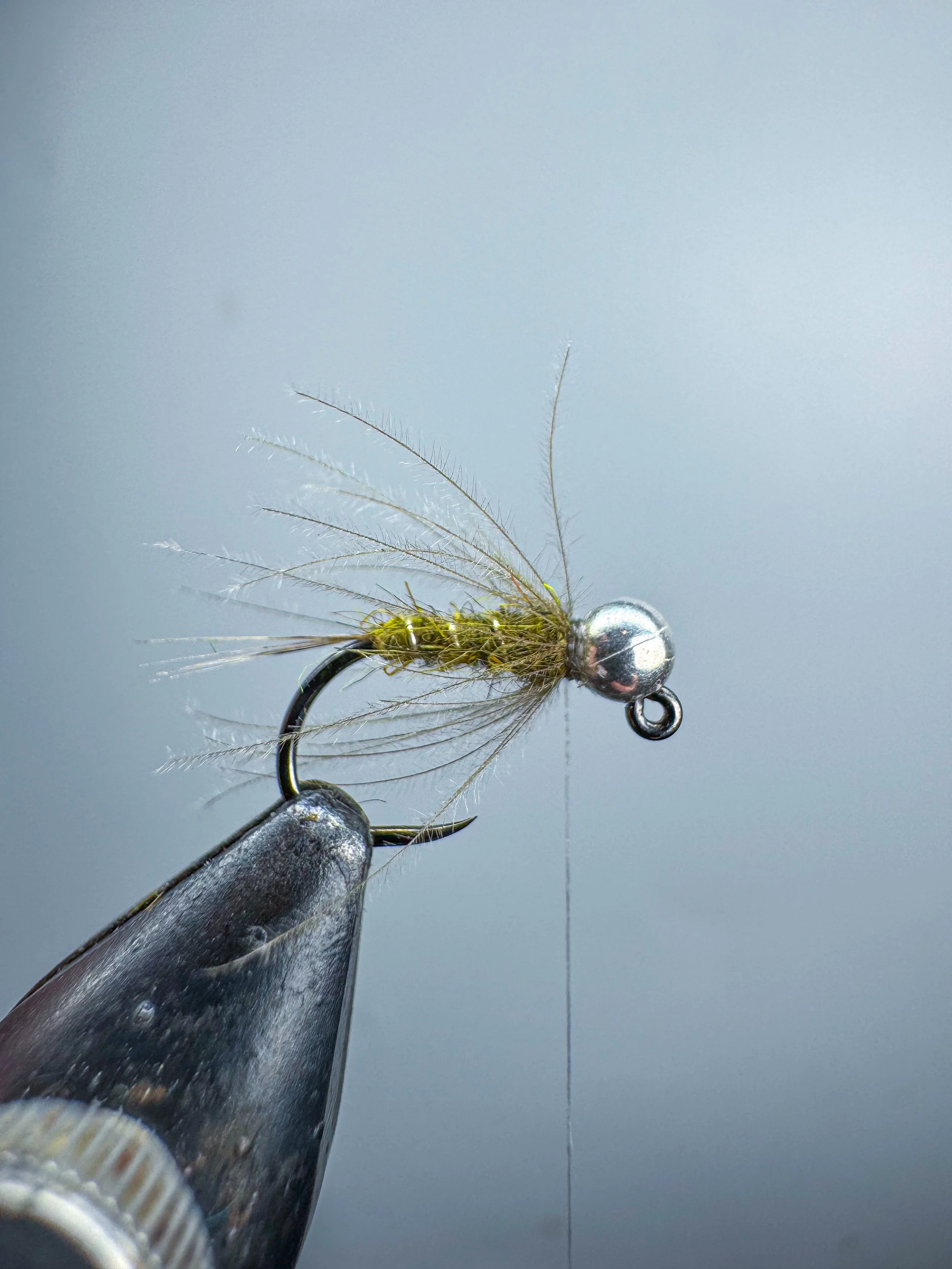
Tie in the CDC: Tie in the Light Dun CDC to form a soft collar, allowing the fibres to sweep naturally around the thorax.
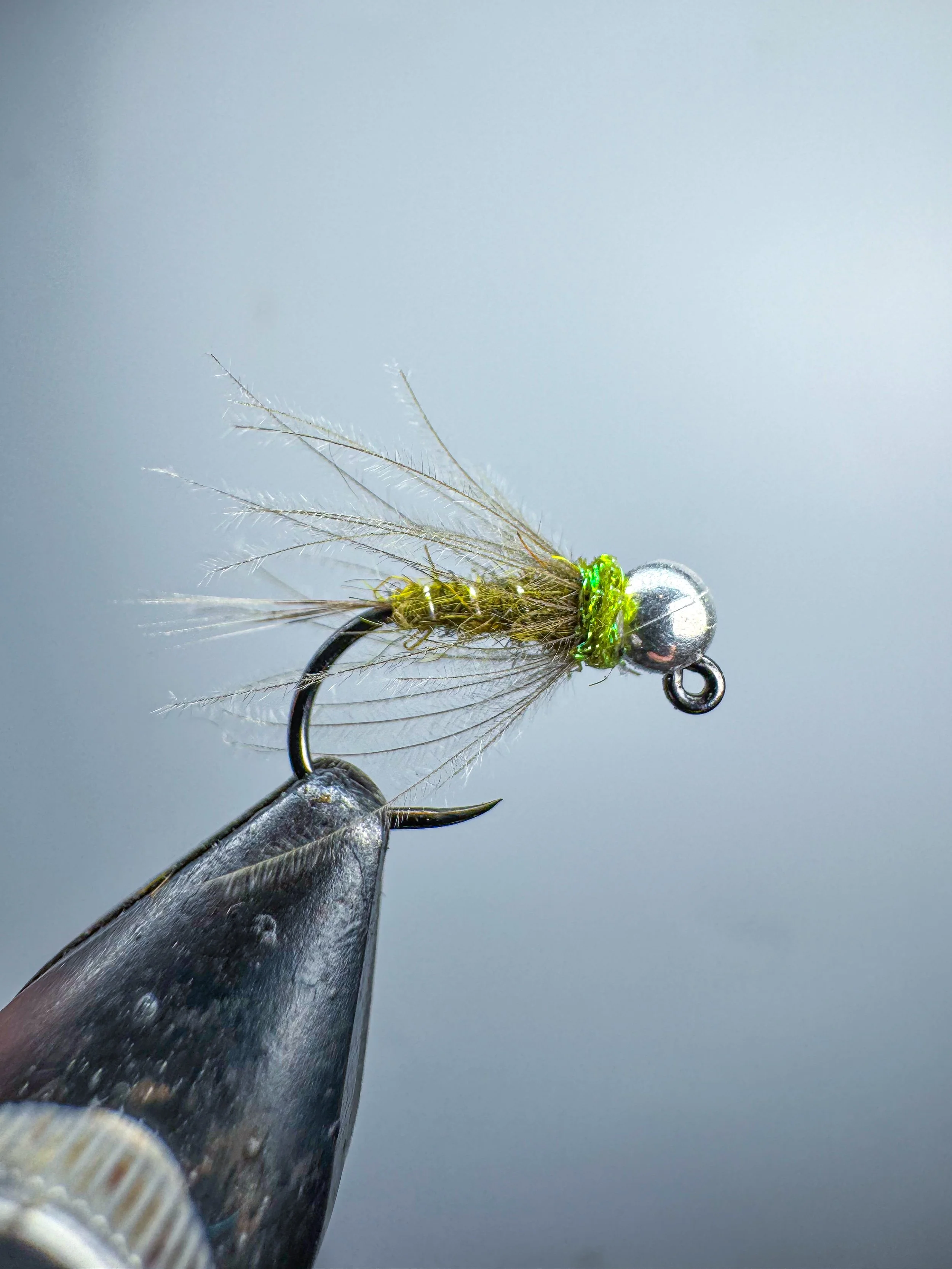
Build the thorax: Apply a small amount of Hends Spectra Dubbing 32 behind the bead to create a slightly fuller thorax.
Finish the fly: Whip finish behind the bead, trim the thread and tidy any stray fibres.